
Management at Neha Opticals
blindness worldwide — and it often shows no symptoms
until significant vision loss has occurred. At Neha Opticals,
we offer early detection, regular screening, and referral-based
management of glaucoma to protect your vision and maintain
long-term eye health.
What Is Glaucoma?
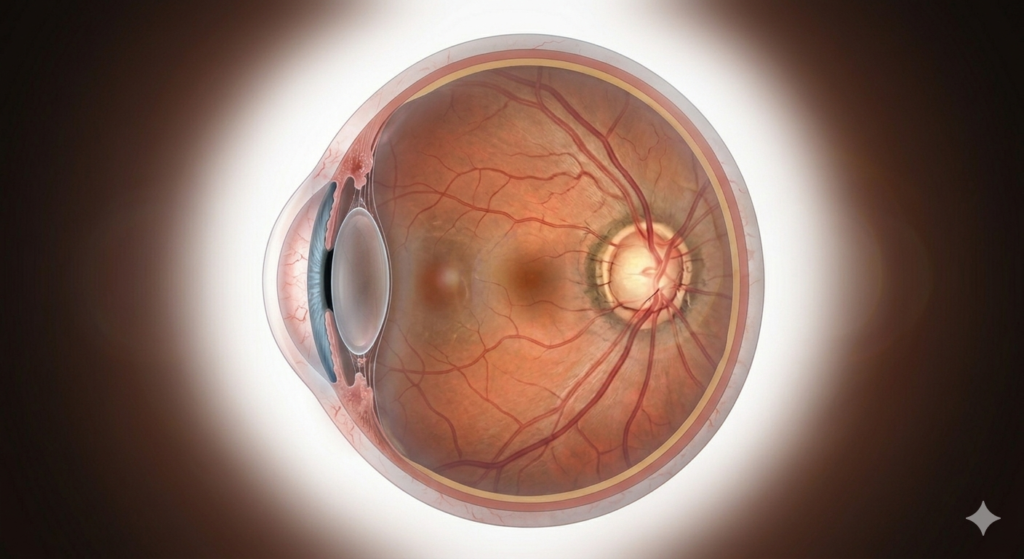
Glaucoma is a group of eye conditions that damage the optic nerve — the vital link between your eyes and brain — often due to increased intraocular pressure (IOP). Left undiagnosed or untreated, it leads to gradual peripheral vision loss and, eventually, total blindness.
The only way to find out if you have glaucoma is to get a comprehensive dilated eye exam. There’s no cure — but early treatment can often stop the damage and protect your vision.
— Neha Opticals Clinical Team
It is often called the “silent thief of sight” because it progresses slowly and painlessly — making regular screening essential for everyone over 40 or with risk factors.
Risk Factors
Who Is at Risk for Glaucoma?
Certain groups face significantly higher likelihood of developing glaucoma. If any of the following apply to you, regular screening is not optional — it’s essential.
Age Over 40
Risk increases significantly after age 40, and further after 60.
Family History
First-degree relatives with glaucoma elevate your personal risk substantially.
Diabetes & Hypertension
These systemic conditions affect blood flow to the optic nerve and raise IOP risk.
Long-term Steroid Use
Prolonged use of steroid medications — topical or systemic — can raise eye pressure.
High Eye Pressure (IOP)
Elevated intraocular pressure is the most significant modifiable risk factor for glaucoma.
Prior Eye Injuries
Trauma to the eye or previous surgeries can predispose an individual to secondary glaucoma.
Warning Signs
Symptoms That Need Immediate Attention
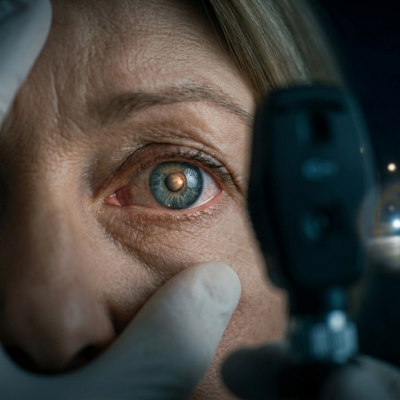
Don’t wait for symptoms to worsen. Early evaluation prevents complications and speeds recovery.
- Gradual loss of side (peripheral) vision
- Blurred or tunnel vision in advanced stages
- Eye pain or pressure (in acute angle-closure cases)
- Halos around lights, especially at night
- Frequent changes in prescription glasses
- Redness of the eye with nausea (acute attack)
Important: Most early-stage glaucoma has zero noticeable symptoms. By the time vision changes are perceived, significant irreversible damage has often already occurred. Regular screening is the only way to catch it in time.
What We Offer
Our Glaucoma Services Include
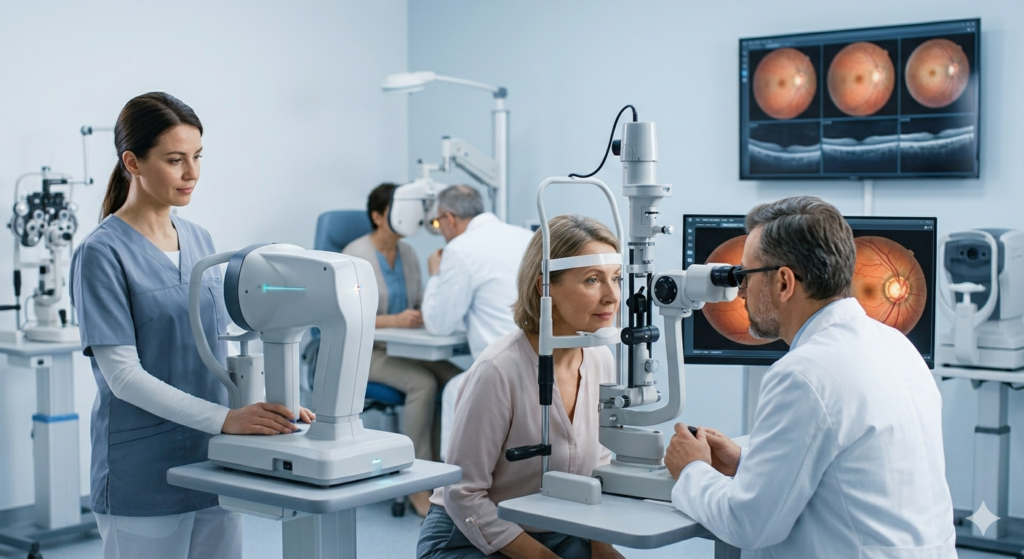
We use clinical-grade tools and evidence-based protocols across every step — from initial screening to specialist coordination.
1
Intraocular Pressure (IOP) Testing
Using non-contact tonometry, we accurately measure your eye pressure to screen for potential glaucoma development.
2
Optic Nerve Head Evaluation
Using slit lamp biomicroscopy, our optometrists examine the optic nerve for early signs of damage or cupping.
3
Retinal Imaging & Documentation
Fundus photography captures detailed images of the retina and optic nerve for accurate documentation and long-term tracking.
4
Visual Field Testing (Referral-Based)
For suspected or confirmed cases, we recommend visual field testing to map any peripheral vision loss.
5
Specialist Referral & Co-Management
When signs of glaucoma are detected, we coordinate with trusted glaucoma specialists for advanced diagnostics (OCT, pachymetry) and treatment.
The Case for Screening
Protect Your Vision with Regular Glaucoma Checks
At Neha Opticals, we believe in accessible eye care for everyone — which is why our comprehensive eye test is absolutely free. Routine checks save sight.
2×
Higher Risk After 40
The likelihood of glaucoma doubles each decade after age 40 — making regular screening after this milestone non-negotiable.
90%
Cases Are Preventable
Up to 90% of glaucoma-related blindness can be prevented with timely detection and appropriate management.
Free
Eye Exam at Neha Opticals
Our comprehensive eye test — including glaucoma screening — is completely free. No catch, no conditions.
32
Hospital-Based Locations
Every store is inside a leading Bangalore eye hospital, ensuring your care is backed by full medical infrastructure.
Frequently Asked Questions(F&Q's)
Symptoms of dry eye syndrome may affect one or both eyes and often include: burning or gritty feeling in the eyes, mucus in the eyes, sensitivity to light, eye redness, difficulty seeing at night, watery and stinging eyes, blurred vision.
At first, the cloudiness in your vision caused by a cataract may affect only a small part of the eye’s lens. You may not notice any vision loss. As the cataract grows larger, it clouds more of your lens. More clouding changes the light passing through the lens. This may lead to symptoms you notice more.
Far far away, behind the word mountains, far from the countries Vokalia and Consonantia, there live the blind texts. Separated they live in Bookmarksgrove right at the coast
A medical exam includes diagnosis and treatment of an eye disease or malady (like glaucoma, conjunctivitis, or cataracts). A routine eye exam, on the other hand, includes diagnosis and treatment of non-medical complaints, like astigmatism, or farsightedness.
The symptoms can start so slowly that you may not notice them. The only way to find out if you have glaucoma is to get a comprehensive dilated eye exam. There’s no cure for glaucoma, but early treatment can often stop the damage and protect your vision.
Start Today — It's Free
Ready to Experience the
Neha Opticals Difference?
Walk into any of our 26 hospital-based stores across Bangalore. No appointment needed. Your free comprehensive eye exam takes about 30 minutes and could change everything.